
Congo Looks to Nigeria as Local Content Reshapes Energy Strategy
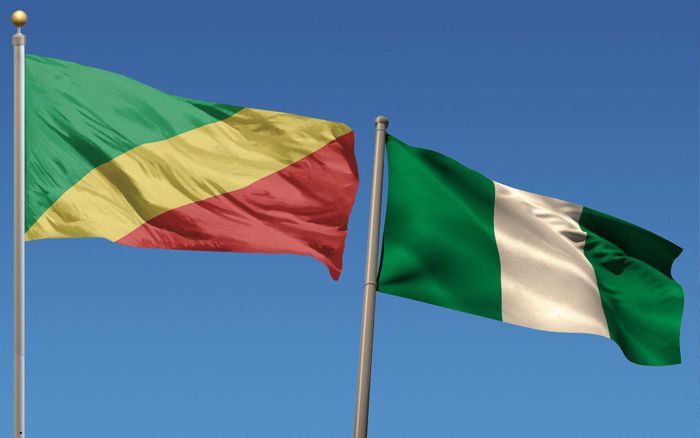
The Republic of Congo is looking to Nigeria's local content model to strengthen its domestic oil and gas industry, opening opportunities for Nigerian companies to expand into Congo through partnerships, technical cooperation and supplier development. In September 2026, Congo's Minister of Hydrocarbons Stev Simplice Onanga led a delegation to Nigeria to examine how the Nigerian Content Development and Monitoring Board (NCDMB) has supported indigenous participation in the sector. The delegation, which included representatives from national oil company SNPC and Congolese businesses, explored mechanisms to improve access to financing, skills development and market opportunities for local companies.
The Congo Energy & Investment Forum (CEIF) 2027, taking place June 1–3 in Brazzaville, will build on this engagement by connecting Nigerian operators, service providers and investors with Congolese companies and government decision-makers. The forum will provide a platform to explore joint ventures, technology transfer and investment partnerships that support Congo's ambition to develop competitive national champions while creating new commercial opportunities for Nigerian businesses.
Nigeria Offers a Blueprint for Local Content Success
Since the creation of NCDMB under the Nigerian Oil and Gas Industry Content Development Act 2010, Nigerian content has grown from approximately 5% to 61% in 2025, against a target of 70% by 2027. Nigeria's Indigenous companies account for 60% of crude production, though deep offshore remains IOC-dominated.
The country has introduced dedicated financing mechanisms to support this growth. The Nigerian Content Development Fund, financed through a 1% levy on upstream contracts, has provided more than $400 million to over 130 indigenous companies. NCDMB has also introduced a $100 million equity investment scheme, while Project 100 supports indigenous companies through capacity building and improved market access.
During the September 2026 visit, Minister Onanga emphasized Congo’s interest in adapting Nigeria’s experience, stating: “We came here as a little brother to the big brother and see how they have done the local content.”
For Congo, Nigeria's experience offers a model for combining regulation, financing and technical development to strengthen domestic participation. For Nigerian companies, the engagement creates opportunities to export expertise, establish partnerships and support the development of Congo's oil and gas supply chain.
Building a Competitive Congolese Supply Chain
Congo has already established a regulatory framework for local participation. The 2016 Hydrocarbons Code made local content mandatory in petroleum operations, while decrees issued in 2019 established requirements covering subcontracting, services, employment, training and penalties.
Law 3-2000 reserves subcontracting for companies established in Congo and led by Congolese, with at least 30% of subcontractors' capital reserved for them. The local content percentage is set case by case in each development plan.
The priority now is to address barriers to market access, financing, technical skills and industrial activity. Capmad's analysis points to niche services, including subsea inspection, data services, advanced maintenance and industrial waste management, as the best-placed entry points for local firms. Wells, floating facilities and gas recovery also create work in maintenance, engineering, fabrication, logistics and gas processing.
Congo's engagement with Nigeria reflects a broader effort to develop domestic oil and gas companies capable of competing for contracts, accessing finance and participating more extensively in upstream and downstream activities. CEIF 2027 will provide a platform to advance these priorities by connecting Nigerian companies with Congolese operators, contractors, investors and policymakers. Discussions will focus on opportunities for joint ventures, supplier development, technical cooperation and participation in Congo's expanding oil and gas project pipeline.
Organized by Energy Capital & Power in collaboration with the Ministry of Hydrocarbons, CEIF 2027 takes place June 1–3 in Brazzaville. For more information and participation opportunities, visit www.congoenergyinvestment.com.