
Can Congo Reach 500,000 BPD? CEIF 2027 to Examine Growth Prospects
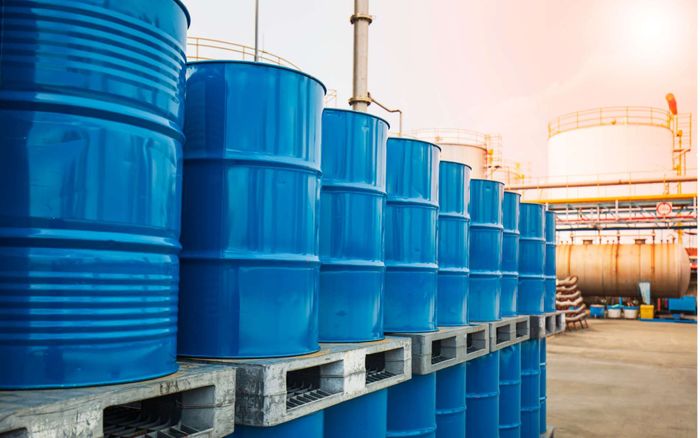
The Republic of Congo has set an upstream target to lift oil production to 500,000 barrels per day (bpd) by 2030. The goal would require output to nearly double from recent levels of 270,000-280,000 bpd, making mature-field redevelopment, new offshore developments and improved recovery rates central to the country’s energy strategy.
That ambition is now being tested by a broad project pipeline. Perenco has installed the Kombi 2 platform and launched a six-well campaign at Kombi-Likalala-Libondo II, while TotalEnergies’ Moho F and Moho G discoveries are estimated to hold close to 100 million barrels of recoverable resources. Whether these projects can add enough net production to offset natural decline and support growth will be a key question at the Congo Energy & Investment Forum (CEIF) 2027, scheduled for June 1-3 in Brazzaville.
Rehabilitating Mature Assets to Support Production Increase
Congo’s near-term production base remains anchored in aging offshore assets. Perenco’s redevelopment model illustrates the opportunity. The company’s broader five-year plan, exceeding $2 billion, covering 100 wells and incorporating new FPSO infrastructure, is designed to lift its Congolese output toward 100,000 bpd.
The company already has a track record of reviving mature fields with the Kombi 2 platform, installed in February 2026, supporting a six-well campaign intended to extend field life. The company has separately completed a five-well infill program at Tchibouela East, delivering a sustained uplift of about 6,000 bpd. The wider toolkit includes infill wells, workovers, reactivations, artificial-lift optimization, water shut-off and improved reservoir management. These interventions can recover barrels that would otherwise be lost to declining reservoir pressure, water production and underperforming wells.
Brownfield opportunities offer strategic in-roads for mid-sized independents as they combine established infrastructure, known reservoirs and comparatively faster returns. Rather than bearing full exploration risk, operators can focus on debottlenecking facilities, restoring well productivity and extending the economic life of fields that majors may deprioritize.
Ammat Global Resources is a testament to this opportunity. Through workovers, subsea upgrades and improved reservoir management at the Loango and Zatchi fields, the company has reportedly increased combined production capacity from about 4,000 bpd to 7,000 bpd. Trident Energy is pursuing a similar strategy at a greater scale. In 2025, it acquired an 85% operated interest in the Nkossa and Nsoko II fields, along with interests in Lianzi and Moho-Bilondo.
Offshore Discoveries Offer Additional Production Potential
New offshore barrels must come from discoveries, expansions and tie-backs that add processing and export capacity. TotalEnergies' Moho F and Moho G discoveries hold about 100 million barrels, to be produced through tie-backs to the Alima and Likouf production units. These facilities currently produce approximately 90,000 barrels of oil equivalent per day, providing an established infrastructure base for future development.
TotalEnergies also committed more than $500 million to Moho Nord in 2025, while an infill drilling campaign targets additional production. Larger prospective volumes, including the Bango Kayo, Holmoni and Cayo permits could contribute further volumes, subject to exploration results, development approvals and investment.
Congo has a credible route to a materially higher production level, but 500,000 bpd remains an execution target rather than a forecast. Mature-field redevelopment will be essential to protecting the existing production base, while new offshore projects must deliver enough additional volumes to offset natural decline and support growth.
CEIF 2027 will bring these issues to the forefront of its program, connecting operators and project developers with financiers, service companies and government officials to examine development plans, identify partnership opportunities and mobilize capital for Congo's next phase of upstream growth.
Organized by Energy Capital & Power in collaboration with the Ministry of Hydrocarbons, CEIF 2027 will enable candid dialogue, facilitating new investments and deals in the country’s energy sector. For more information, visit www.congoenergyinvestment.com.