
Congo’s Mining Pipeline Reinforces 3,000 MW Power Opportunity
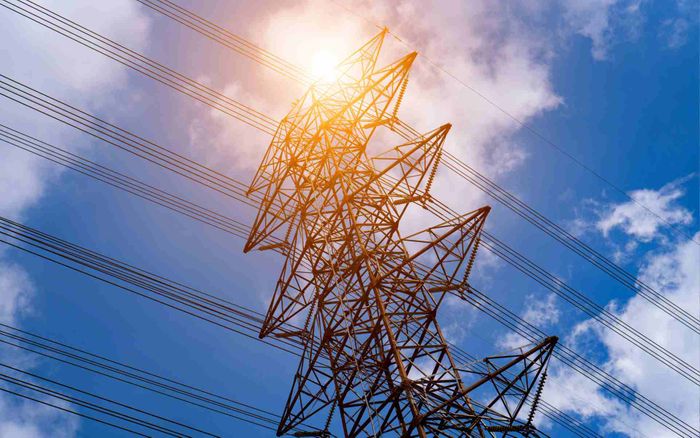
Congo's ambition to expand electricity generation capacity to 3,000 MW by 2028 is creating opportunities for investment in gas-fired power, renewable energy and transmission infrastructure, with the country's growing mining sector expected to drive additional demand. As Congo seeks to diversify its oil-dependent economy, reliable electricity will be critical to unlocking major iron ore and potash projects, particularly those located far from existing power networks. These investment opportunities will be explored at the Congo Energy & Investment Forum (CEIF) 2027, taking place June 1-3 in Brazzaville.
Mining Projects Hinge on Power Supply
Congo has approximately 760 MW of installed generation capacity, of which around 600 MW is available. Network losses have also been estimated to reach 45%, creating operational challenges for energy-intensive industries such as mining. To address these issues, several mining companies are investing in dedicated power projects, creating new demand centers across the country.
The scale of demand is illustrated by Zanaga Iron Ore Company's (ZIOC) iron ore project in southwestern Congo. On November 3, ZIOC completed a 30,000-ton bulk sampling program, advancing the project toward a potential construction decision in 2027.
To secure a reliable and continuous power supply for its project, ZIOC has signed an MoU with the Centrale Électrique du Congo (CEC) power plant to assess power supply options for the mines first phase. The phase targets annual production of 12 million tons at an estimated investment of $1.94 billion. CEC runs three gas-fired turbines at a capacity of 484 MW, fed by gas from offshore projects. A fourth is currently in planning stages.
Other mining developers are also investing in dedicated power infrastructure. Luyuan des Mines du Congo completed a 10 kV power line and a dedicated 30 MW electrical substation for its Mboukoumassi potash project, supporting construction activities and electricity access for nearby villages. For investors, these projects create opportunities in independent power production, dedicated transmission infrastructure and long-term electricity supply agreements with mining operators.
Renewable Energy Offers Alternative Power Solutions
Renewable energy represents another investment avenue, complementing gas-fired power generation while reducing dependence on diesel generators.
In addition to its partnership with CEC, ZIOC has incorporated a diversified energy solution into the project’s design from the outset. The plan combines coastal gas supply with large-scale solar power and local hydropower supported by battery storage to provide reliable electricity for energy-intensive ore crushing and transportation operations.
The planned 600 MW Chollet hydropower plant on the Dja River, situated on the Cameroon-Congo border, could also provide a potential solution for the development of the Nabeba, Avima and Badondo iron ore deposits. Located in northern Congo and operated by Chinese group Sangha Mining, the three deposits hold combined iron ore reserves of 3.6 billion tons. The project would require 500–600 km of high-voltage transmission lines across Cameroon and Congo to connect the plant to mining operations.
Congo's mining pipeline presents opportunities for power developers, engineering contractors and financiers, but projects will need reliable electricity supplies and commercially viable infrastructure arrangements to advance. CEIF 2027 will connect mining companies with energy investors and technology providers to explore generation, transmission and financing partnerships capable of supporting new mineral production and industrial development.