
Congo's Oil Revenue Reforms Could Strengthen Investment Outlook Ahead of CEIF 2027
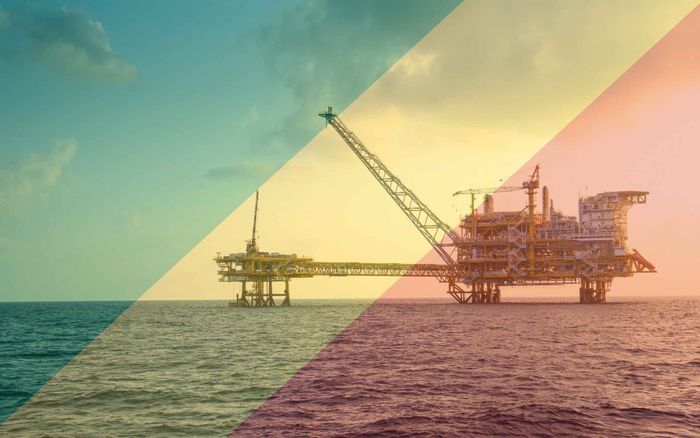
The African Development Bank (AfDB) has recommended that the Republic of Congo introduce an automatic mechanism to capture additional oil revenues when crude prices exceed budget assumptions, strengthening fiscal stability as the country pursues new energy investment and economic diversification. The proposal, outlined in the bank's 2026 Country Report, would direct additional hydrocarbon revenues toward debt reduction while reducing the government's exposure to oil-price volatility.
The recommendations come ahead of the Congo Energy & Investment Forum (CEIF) 2027, taking place June 1 – 3 in Brazzaville, where financing and investment opportunities across Congo's energy sector will be central to discussions. With the country seeking capital for upstream development, gas infrastructure and broader industrial growth, stronger public finances could improve the environment for long-term investment and support the government's development ambitions.
Congo’s Oil Windfalls Face a Debt Test
Under the proposed mechanism, additional revenues generated when oil prices exceed the benchmark used in the national budget would be captured through a rules-based framework aligned with Extractive Industries Transparency Initiative principles. The AfDB also recommends suspending new oil-backed borrowing and prioritizing debt reduction to prevent temporary revenue gains from increasing long-term financial exposure.
The proposal responds to Congo's continued dependence on hydrocarbons, which account for the majority of export earnings and a substantial share of government revenue. Changes in international crude prices therefore have a direct impact on public finances and the government's capacity to fund infrastructure and development projects.
The scale of that exposure was evident in 2025. Oil revenues reached approximately CFAF 1,031.6 billion, below the budget forecast of CFAF 1,230.1 billion and the CFAF 1,190 billion collected in 2024. Lower oil prices contributed to weaker fiscal performance, reinforcing the case for more predictable revenue management.
Congo's debt burden adds urgency to the proposed reforms. According to the AfDB, public debt stood at approximately 97% of GDP in 2025, while debt-service obligations continue to constrain government liquidity and fiscal flexibility. The bank projects that debt could decline to approximately 85% of GDP by 2027, although the outlook remains sensitive to hydrocarbon revenues and broader economic conditions.
Strengthening the Investment Environment
The AfDB’s recommendations extend beyond capturing oil windfalls. The country currently imports 70% of its food products, while domestic refinery output has historically covered only part of local demand, leaving the economy exposed to higher food, energy and transport costs. The World Bank has called for faster economic diversification, stronger non-oil revenue mobilization and tighter control of public spending.
That agenda is now being translated into specific investment opportunities. A recent International Finance Corporation diagnostic identified four priority industries – wood processing, port logistics, corn milling and aquaculture – with the potential to attract up to $1.4 billion in private investment and create 22,200 jobs by 2030, provided key regulatory and infrastructure constraints are addressed.
For Congo, the challenge is to maintain investment in its hydrocarbon industry while strengthening the fiscal and infrastructure foundations needed for broader economic growth. More predictable management of oil revenues could support public investment planning, while improvements in debt sustainability and the business environment may help attract additional private capital.
These priorities will provide an important backdrop to CEIF 2027, where government and industry stakeholders will examine opportunities across energy development and infrastructure investment. As Congo prepares its 2027 fiscal framework, progress on revenue management and debt reduction will be important indicators of its capacity to support the next phase of investment.
Organized by Energy Capital & Power in collaboration with the Ministry of Hydrocarbons, CEIF 2027 will enable candid dialogue, facilitating new investments and deals in the country’s energy sector. For more information, visit www.congoenergyinvestment.com.